Best practices for safely using mooring buoys
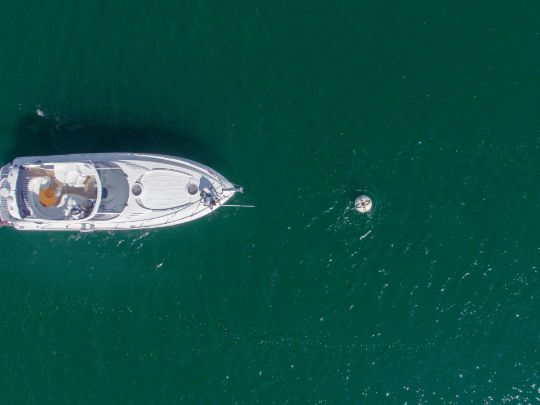
Approach with caution: When approaching a mooring buoy, maintain a slow speed and carefully observe the buoy's location and surroundings. Look for any signs of damage to the buoy itself including any visible signs of significant wear and tear, it is possible for more than one boat to use a mooring buoy at the same time, so if there is other boats are already using the buoy, be certain that you can come alongside safely and in doing so not causing any damage to either vessel, consider the other boats size and shape compared to your, are they well fendered, do you have sufficient fenders also?
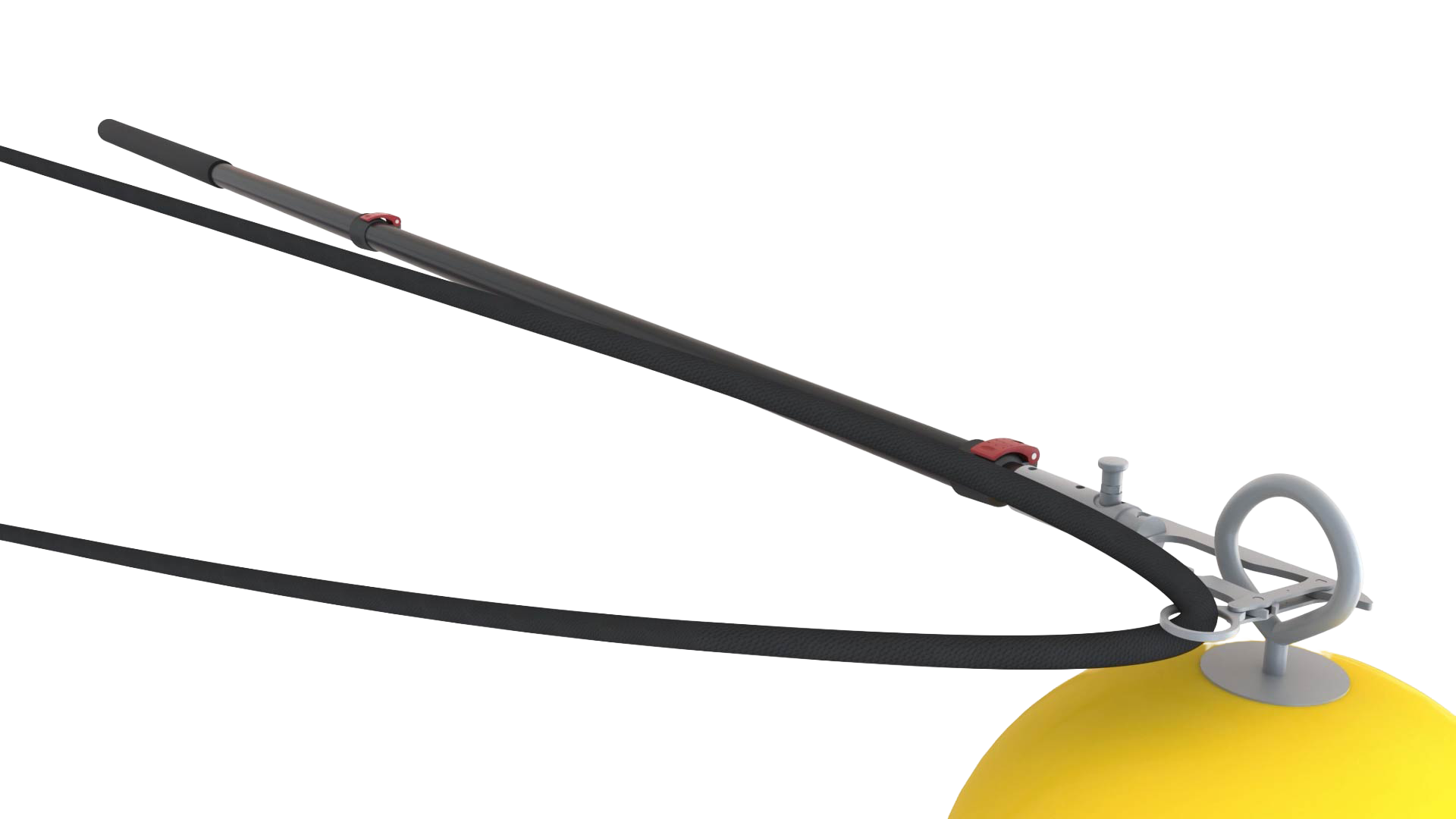
Securely attach your vessel: Once you have positioned your boat near the mooring buoy, attach your lines to the buoy's attachment points. Make sure the lines are strong and properly secured to prevent any accidents or drifting. Old worn or brittle ropes may fray, wear or even snap under the strain of tension once secured, so a good quality line is imperative.
Adequate clearance: Allow for enough cleara
Adequate clearance: Allow for enough clearance between your vessel and other nearby boats or structures. This will help avoid collisions and damage to your vessel or the buoy itself, especially in tidal conditions or in periods of wind when your boat will swing on a mooring buoy.
Regular inspection: Regularly inspect the mooring buoy throughout the duration of your stay for any signs of wear, damage, or deterioration. Report any issues to the appropriate authorities to ensure prompt repairs or replacements.
Follow local regulations: Familiarise yourself with the regulations and guidelines set forth by the local maritime authorities. These rules may include restrictions on the number of vessels allowed to use a single buoy , specific time limits for mooring, vessel size, or minimum number of securing lines.